
Empower Your Home with Solar Energy for Homes

Imagine slashing your electricity bills while doing your part for the planet. Sounds like a win-win, right? That’s exactly what solar energy for homes can offer. If you’ve ever wondered whether solar panels are worth the investment or how they actually work, you’re in the right place. Let’s dive into the sunny world of solar power and see how you can take control of your energy future.
Why Solar Energy for Homes Makes Sense
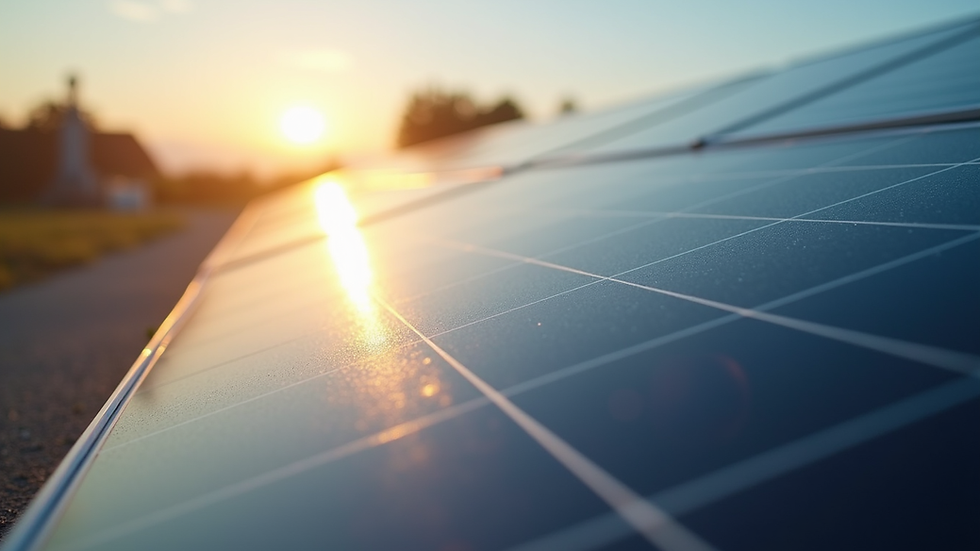
Switching to solar energy isn’t just a trendy thing to do. It’s a smart move, especially if you live in Illinois where the sun shines enough to make a difference. Solar panels capture sunlight and convert it into electricity, which means you’re generating your own power instead of relying solely on the grid.
Here’s why it’s a great idea:
Lower energy bills: Once your system is up and running, you’ll see a noticeable drop in your monthly electricity costs.
Energy independence: No more worrying about rising utility rates or power outages.
Environmental impact: Solar energy is clean and renewable, reducing your carbon footprint.
Increased home value: Homes with solar panels often sell faster and at higher prices.
Plus, Illinois offers some attractive incentives and rebates that can help offset the initial cost. It’s like getting a little nudge from the state to go green.

How Solar Energy for Homes Works: The Basics
You might be curious about what happens behind the scenes when you install solar panels. It’s simpler than you think. Here’s a quick rundown:
Solar panels capture sunlight: These panels, usually placed on your roof, absorb sunlight and convert it into direct current (DC) electricity.
Inverter converts DC to AC: Since your home appliances run on alternating current (AC), an inverter changes the DC electricity into usable AC power.
Power your home: The electricity generated powers your home’s lights, appliances, and gadgets.
Excess energy goes back to the grid: If your system produces more electricity than you use, the extra power can be sent back to the utility company, often earning you credits.
And if you want to take it a step further, adding a battery storage system means you can store excess energy for use during cloudy days or at night. That’s real energy independence!
What is the biggest downside to solar electricity?
Let’s be honest—solar energy isn’t perfect. The biggest downside? The upfront cost. Installing solar panels and battery storage can be a significant investment. But here’s the thing: with incentives, tax credits, and the long-term savings on your energy bills, many homeowners find it pays off over time.
Another challenge is that solar panels depend on sunlight. So, on cloudy days or during winter months, your system might produce less energy. However, modern solar technology and battery storage solutions have come a long way in minimizing these issues.
Maintenance is minimal but necessary. You’ll want to keep your panels clean and check for any shading from new tree growth. But overall, solar systems are designed to be durable and reliable for decades.
How to Get Started with Solar Energy at Home
Ready to take the plunge? Here’s a simple roadmap to get you started:
Assess your home’s solar potential: Factors like roof orientation, shading, and size matter. A professional solar installer can evaluate your property.
Explore financing options: From outright purchase to leases and loans, there are multiple ways to fund your solar system.
Choose the right system size: Your energy needs and budget will guide this decision.
Find a reputable installer: Look for local experts who understand Illinois regulations and incentives.
Apply for permits and incentives: Your installer usually helps with this, but it’s good to know what’s involved.
Schedule installation: This usually takes a few days, depending on system size.
Enjoy your solar-powered home!
Remember, going solar is a journey, not a race. Take your time to research and ask questions. It’s your home and your investment.
Why You Should Consider Battery Storage Too
If you think solar panels are cool, wait until you hear about battery storage. It’s like having a personal energy vault. Here’s why it’s worth considering:
Backup power during outages: No more sitting in the dark when the grid goes down.
Maximize solar usage: Store excess energy generated during the day for use at night.
Reduce reliance on the grid: Even more energy independence.
Potential savings: Avoid peak utility rates by using stored energy when electricity is most expensive.
Battery technology has improved a lot, becoming more affordable and efficient. Pairing solar panels with a battery system is a smart way to future-proof your home energy setup.
Take Control and Power Your Home with Solar Energy
At the end of the day, switching to solar is about empowerment. It’s about taking control of your energy costs and making a positive impact on the environment. If you’re ready to explore your options and see how solar can fit into your life, don’t hesitate to reach out to local experts who can guide you every step of the way.
If you want to power your home with solar energy, now is the perfect time. The technology is proven, the incentives are there, and the benefits are clear. Why wait to start saving money and helping the planet?
Solar energy isn’t just for the future—it’s for your home today. Let’s make the switch together!


Comments