
Solar Savings Tips: Saving Money with Solar Panels - How It Works

If you’ve ever wondered how solar panels can actually save you money, you’re in the right place. Solar energy isn’t just about being eco-friendly (though that’s a huge bonus). It’s also a smart financial move, especially for those living in Illinois. I’m here to break down the nuts and bolts of how solar panels work to cut your energy bills and boost your savings. Ready to dive in? Let’s go!
Why Solar Panels Make Sense: Solar Savings Tips You Can Use
First off, let’s talk about why solar panels are a great investment. You might be thinking, “Sure, they’re good for the planet, but what about my wallet?” Well, here’s the scoop: solar panels turn sunlight into electricity, which means you’re generating your own power instead of buying it from the grid. That’s a direct hit to your monthly electric bill.
Here are some quick solar savings tips to keep in mind:
Use energy during the day: Solar panels produce the most power when the sun is shining. Running appliances like your dishwasher or washing machine during daylight hours maximizes your solar use.
Monitor your energy use: Many solar systems come with apps or monitors that show how much energy you’re producing and using. Keeping an eye on this helps you adjust habits and save more.
Consider battery storage: Storing excess energy for nighttime use means you rely less on the grid, saving even more.
In Illinois, where the sun can be a bit shy in winter, these tips help you get the most bang for your solar buck.
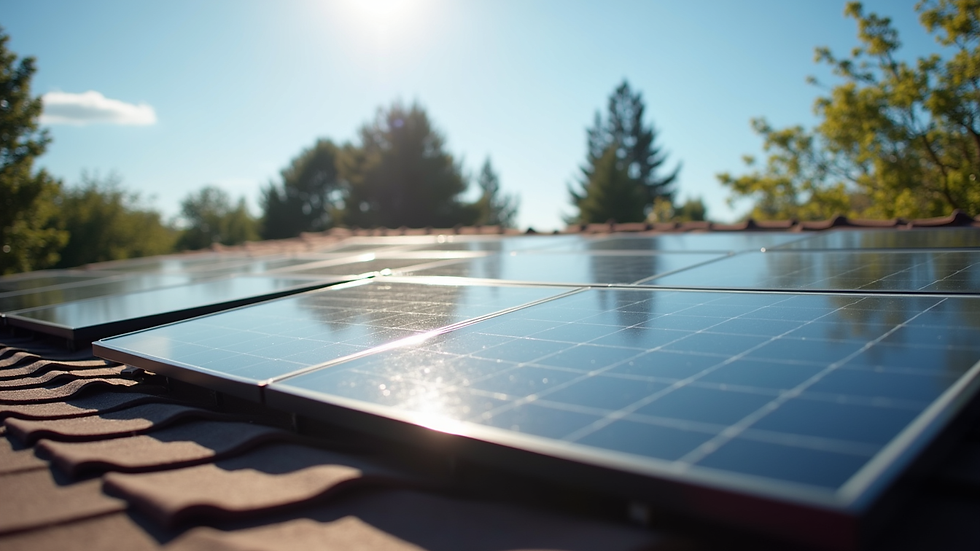
How Solar Panels Actually Save You Money
Let’s get into the mechanics of saving money with solar panels. When your panels generate electricity, you use that power first. If you produce more than you need, the extra energy goes back to the grid. This is where net metering comes in—a system that credits you for the surplus energy you send out. Think of it as your electric company paying you back for the power you didn’t use.
Here’s a simple breakdown:
Daytime energy use: Your solar panels power your home directly.
Excess energy: Extra power goes to the grid, earning you credits.
Nighttime or cloudy days: You use grid power but can offset costs with credits earned.
Over time, these credits add up, reducing your overall electricity bill. Plus, solar panels typically last 25 years or more, meaning long-term savings.
Another money saver? Solar panels increase your property value. Homes with solar systems often sell faster and at higher prices. So, it’s not just about monthly bills—it’s an investment in your home’s future.
What is the 33% Rule in Solar Panels?
You might have heard about the “33% rule” when it comes to solar panels. It’s a handy guideline for sizing your solar system. The rule suggests that your solar panels should cover about 33% of your home’s total energy consumption to make a noticeable dent in your electric bill.
Why 33%? Because covering a third of your energy needs with solar is often enough to see significant savings without overspending on panels you don’t fully use. It’s a balance between cost and benefit.
For example, if your home uses 900 kWh per month, aiming for a system that produces around 300 kWh monthly is a smart start. You can always add more panels later if you want to increase your solar output.
This rule helps you avoid the trap of installing too many panels upfront, which can be costly and unnecessary, especially in Illinois where seasonal sunlight varies.
Financing Your Solar Panels: Making It Affordable
Worried about the upfront cost? You’re not alone. Solar panels can seem pricey at first glance, but there are plenty of ways to make them affordable.
Incentives and rebates: Illinois offers state incentives and federal tax credits that can knock thousands off your installation cost.
Solar loans: Many companies offer low-interest loans specifically for solar installations.
Leasing and power purchase agreements (PPAs): These options let you go solar with little or no upfront cost, paying monthly for the energy produced.
By exploring these options, you can find a plan that fits your budget and starts saving you money right away.

Tips for Maximizing Your Solar Investment
Getting solar panels is just the first step. To really maximize your savings, consider these tips:
Keep panels clean: Dirt and debris reduce efficiency. A quick rinse a few times a year can help.
Shade management: Trim trees or remove obstacles that block sunlight.
Energy-efficient upgrades: Combine solar with LED lighting, smart thermostats, and energy-efficient appliances to lower your overall consumption.
Regular maintenance: Schedule inspections to catch any issues early.
By staying proactive, you ensure your solar system runs smoothly and saves you the most money possible.
Taking Control of Your Energy Future
Switching to solar is more than just a trend—it’s a way to take control of your energy costs and reduce your reliance on traditional power sources. With the right setup and a bit of know-how, you can enjoy the benefits of clean, renewable energy while watching your electric bills shrink.
If you’re curious about how to get started or want to explore options tailored to your home or business, there are experts ready to help. Remember, saving money with solar panels is not just a dream—it’s a practical reality for many Illinois residents.
So, why wait? The sun is shining, and your savings are waiting!


Comments